
The Journey of Faith & Resilience
After the heinous attacks on America on 9/11, several legal cases were filed by some vocal quarters to stop the ISB organization from developing the land and building the mosque in Roxbury. The legal battle that ensued suspended construction from 2003 to 2007. The attacks on the religious community ended in 2007, after the ISB organization countersued 17 defendants, declaring it a legal victory for religious freedom.
The opposition ISBCC faced during its inception and construction was assuaged by the enduring relationships established since the 1970s between Boston’s African American Muslim community and city officials. In addition, the city recognized the efforts of the Muslim community and its leaders in Boston and Cambridge, who had worked for decades to promote greater understanding of Islam through interfaith dialogue. Their efforts led to the active support of religious leaders and friends, particularly from the Christian and Jewish communities, who stood with the Muslim community against the opposition. As a result, the ISB organization drew many supporters, including city officials, Civil Rights groups, and faith leaders.
In response to the negative media attention and the violence in America against Muslims, Sikhs, and Arabs after 9-11, Muslim volunteers of Boston took the initiative to start a civil forum named BRIDGES. Over the course of its 22-year history, BRIDGES acted to fulfill its mission by providing a civil forum for building relationships between interested law enforcement agencies and interested segments of the community, with the overall goal of ensuring the safety, security, and well-being of all of society without the unlawful targeting, profiling, or curtailing of rights of any individual or community.
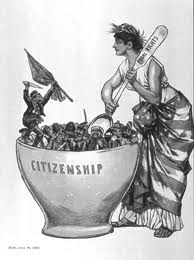
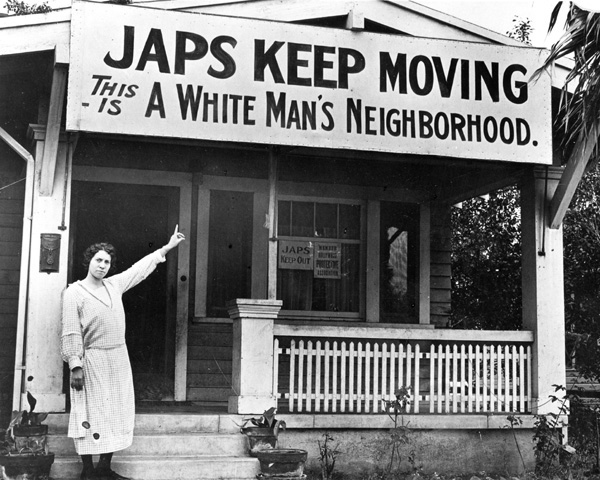
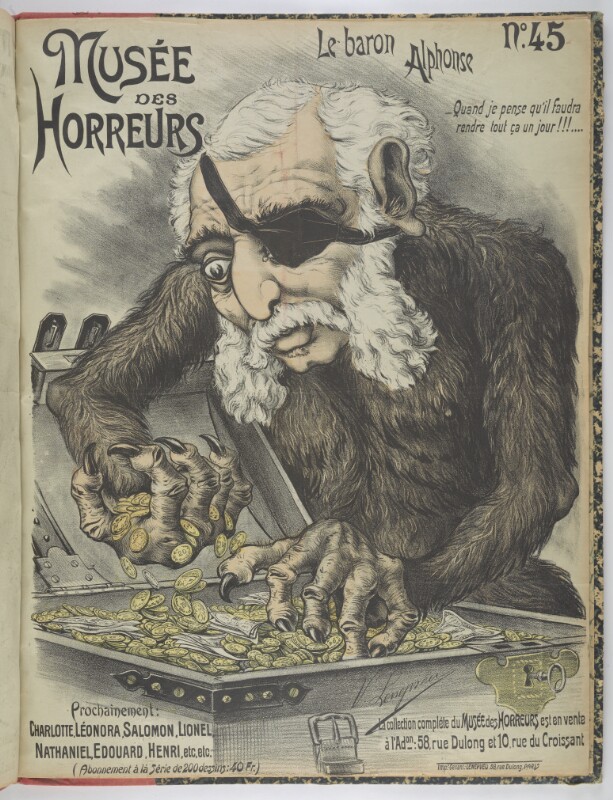
Islamophobia is a form of racial bias, dislike of, or prejudice against, Islam or Muslims. Its root comes from the word “xenophobia” (from the Greek word xeno or “stranger”), which is the fear, dislike, or prejudice against people from other countries, cultures, or those perceived as outsiders.
He had delivered remarks at the Islamic Society of Boston Cultural Center (ISBCC) on multiple occasions. In 2015, Judge Gants spoke, “as a Jew.” Invoking the biblical text that “once we were strangers in the land of Egypt,” he chronicled a number of the religious, ethnic, and racial groups – Irish-Americans, Italian-Americans, German-Americans, Asian- Americans, Mexican-Americans, African-Americans, Jewish-Americans – who faced prejudice and worse on account of discriminatory laws passed to restrict them, at the hands of those who feared and scapegoated them.
All of these “strangers,” Judge Gants observed, “now make up the vast majority of this nation.” He concluded by expressing the hope that, when we remember how each of us was once the “stranger,” the vast majority of Americans will “stand arm in arm with Muslim-Americans and together…will get past these troubling times.”
Xenophobia is at the core of the groups that relentlessly target the "stranger."
Today, the ISB organization has become a model of transparency and civic engagement for the American Muslim community nationwide. It continues to develop and strengthen its unique role as a Muslim non-profit organization that adheres to Islamic principles and maintains key relationships with neighboring mosques, students, the interfaith community, and city and state officials. Construction of the ISBCC, the 70,000-square-foot mosque and cultural center in Roxbury, was completed in 2009. It houses a Sunday school, a café, and a multipurpose space used by educational, religious, and other organizations. ISBCC offers burial services, weekly religious study circles (halaqas), special programming for converts, marriage counseling, networking opportunities for young professionals, college programs, youth group events (for teens), programs to empower small businesses, and partners with relief social services, including food supplies and funding for the local community.
In 2013, Muslim communities were challenged by a new crisis, following the tragedy of the Boston Marathon Bombings. To learn more about how the ISB leadership dealt with the tragedy, see the Crisis Report produced by the Institute for Social Policy and Understanding (ISPU). For more information, please visit: www.ispu.org | info@ispu.org.
Crisis Report: The ISBCC and the Boston Marathon Bombings: Click here to view